The NFL is changing the way it punishes dangerous plays—and this time, the message is clear: one mistake may cost you money, but repeated dangerous techniques could cost you a game.
The league and the NFL Players Association have reached an agreement on a revamped on-field accountability system designed to put greater emphasis on player safety while separating isolated mistakes from repeated reckless behavior.
The changes were presented to NFL clubs during the league meetings in Atlanta, while NFL player representatives reviewed and voted on the new system earlier in the week.
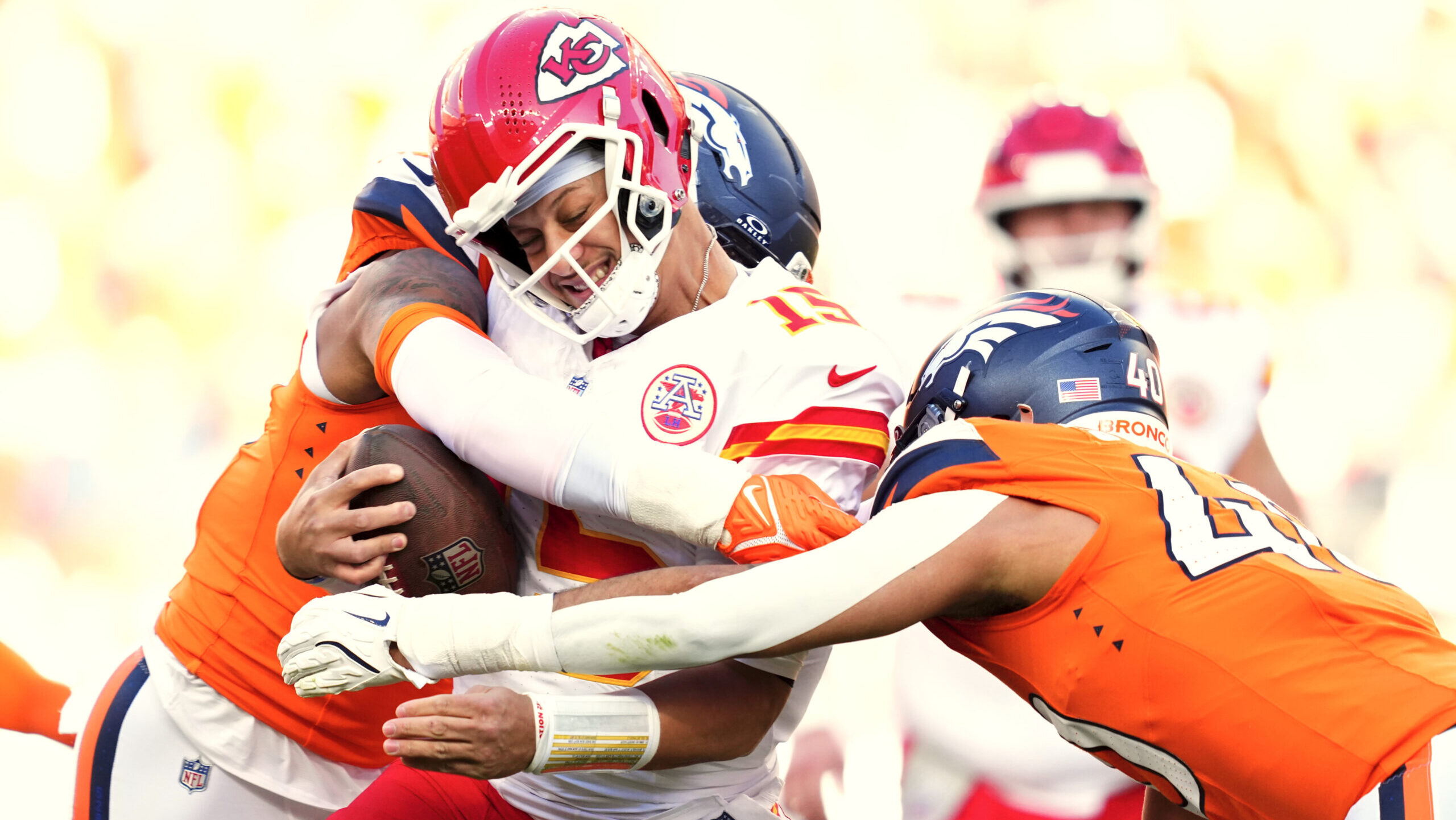
Beginning with the 2026 season, the league will focus heavily on five specific health and safety violations:
Hip-drop tackles
Horse-collar tackles
Launching
Hits on defenseless players
Blindside blocks
The biggest change is the introduction of a three-strike threshold.
A player who commits three violations in one of these categories during a season will receive a one-game suspension. The system is designed to identify repeated dangerous techniques rather than treating every mistake during the speed and chaos of an NFL game as grounds for severe punishment.
There is also a financial incentive for players who avoid becoming repeat offenders.
Under the new system, players who commit only one eligible violation can receive their fine back at the end of the season. That gives players an opportunity to essentially earn back the financial penalty by demonstrating that the violation was an isolated incident rather than part of a pattern.
Players who begin accumulating violations, however, will face increasing consequences.
Previous violations will continue to carry forward under the accountability system, but every player will begin the 2026 season with a clean slate. The new structure also gives players a clearer and quicker path toward reducing the impact of previous offenses.
The NFL is also putting more responsibility on coaches and organizations.
When a player approaches the suspension threshold, his coach will be required to participate in meetings with the league. Teams that repeatedly accumulate health and safety violations will also face increased financial penalties.
In another significant change, former NFL coach and nine-year NFL player Ron Rivera will join the group of former players who participate in appeals involving on-field discipline. The addition gives the appeals process another voice with experience on both sides of the game.
At its core, the new system is built around a simple distinction: an isolated mistake isn’t the same as a repeated dangerous habit.
Football is played at an incredible speed, and even technically sound players can occasionally make mistakes. The NFL and NFLPA are attempting to recognize that reality while making it increasingly difficult for players to repeatedly use techniques that put opponents at unnecessary risk.
The message to players is straightforward.
Make a mistake, learn from it, and move forward. Keep making the same dangerous play, and the consequences will escalate.
The league’s new approach also makes safety a responsibility shared by everyone—not just the player who delivers the hit.
Players are accountable for their technique. Coaches are accountable for what they teach and reinforce. Clubs are accountable when dangerous behavior becomes a recurring problem.
The NFL isn’t trying to eliminate the physical nature of football.
It’s trying to make sure that physicality doesn’t become an excuse for repeated dangerous play.
And with the new three-strike system, the league is making one thing very clear heading into 2026:
The first warning may come with a fine. The third one could come with a Sunday off.
Dujunnea Bland is a NFL and NHRA reporter for SportsJourney. Bland was a New Orleans Saints Reporter and Content Producer for About.com and a contributor at USA TODAY SMG's Redskins Wire. You can follow him on Twitter @NotBland21





Leave a Reply