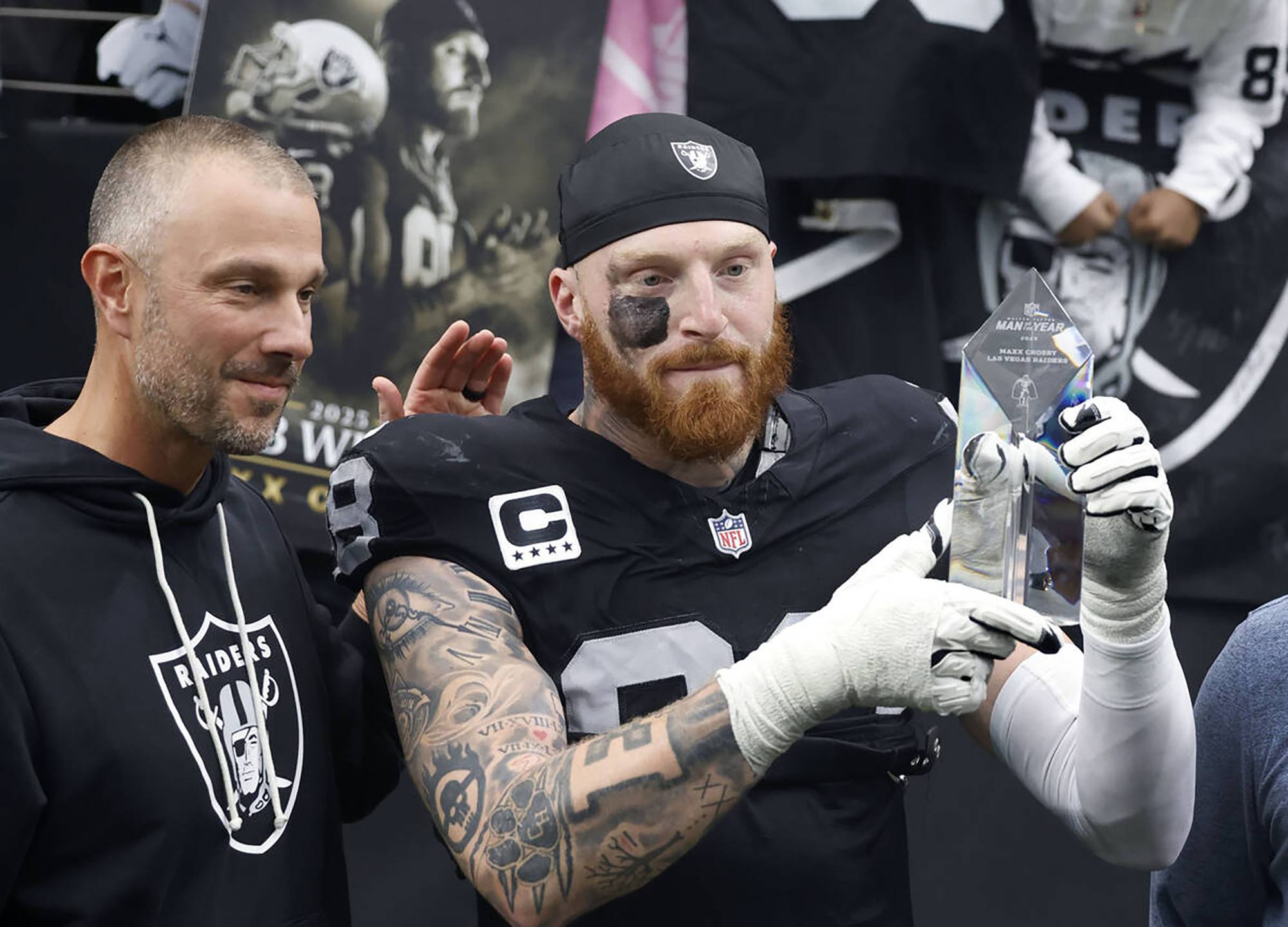
The Baltimore Ravens have long been praised as one of the NFL’s smartest and most disciplined front offices. But the sudden collapse of their blockbuster deal for Maxx Crosby has sparked a wave of skepticism across the league — largely because it follows a pattern that has played out before.
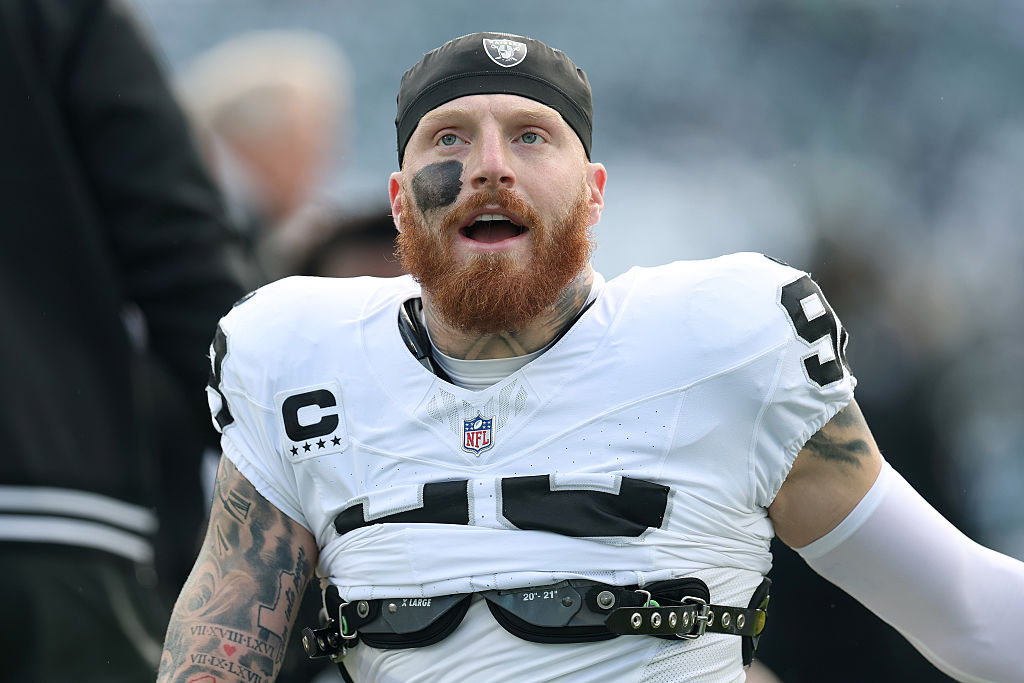
Baltimore had reportedly agreed to a major trade with the Las Vegas Raiders that would have brought one of the league’s elite pass rushers to their defense. Crosby is widely regarded as one of the NFL’s most relentless edge defenders, and the move would have dramatically strengthened Baltimore’s pass rush.
But before the trade could be finalized, Crosby reportedly failed his physical with the Ravens. As a result, Baltimore was able to void the deal entirely.
On the surface, that may sound routine. NFL teams regularly rely on medical evaluations to mitigate long-term injury risk. However, the situation has raised eyebrows because it feels remarkably similar to a controversial episode involving Baltimore just a few years ago.
The Ryan Grant Situation in 2018
The most notable example occurred during the 2018 offseason with wide receiver Ryan Grant.
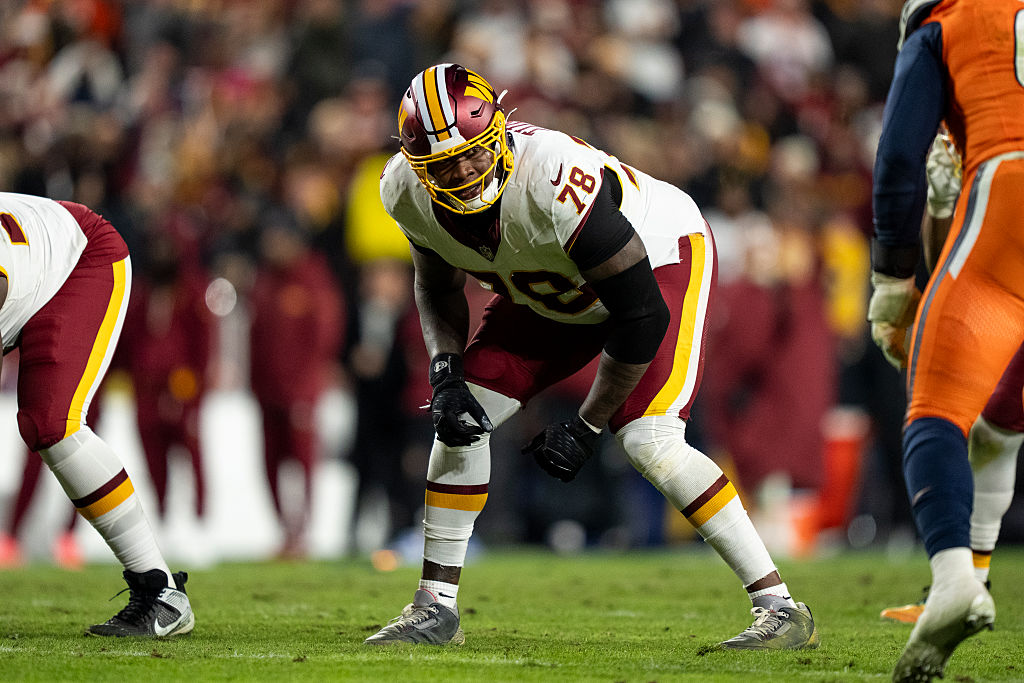
During the NFL’s legal tampering period that year, Baltimore agreed to sign Grant to a four-year contract worth $29 million, including $14.5 million guaranteed. At the time, the deal surprised many around the league because Grant had modest production with the Washington Redskins.
Everything appeared set. Grant was scheduled to arrive in Baltimore, complete his physical, and officially finalize the contract.
Then the market shifted almost instantly.
The Oakland Raiders released veteran wide receiver Michael Crabtree — a far more established player with multiple seasons of strong production.
Within hours, Grant reportedly failed his physical with the Ravens due to an ankle issue. The deal was immediately voided.
Baltimore then pivoted quickly and signed Crabtree to a three-year contract worth $21 million.
At the time, Ravens general manager Ozzie Newsome insisted the decision had nothing to do with football strategy.
“It’s not a football decision. It’s a medical decision that I had no control over.”
Still, the timeline caused plenty of raised eyebrows.
The Timeline That Raised Doubts
Critics pointed to how quickly everything happened:
1. Ravens agree to sign Ryan Grant to a $29 million deal.
2. The Raiders release Michael Crabtree.
3. Grant fails his physical in Baltimore.
4. Ravens sign Crabtree
The entire sequence unfolded within roughly 24 hours.
Adding to the skepticism, Grant later passed a physical and signed with the Indianapolis Colts.
Why the Crosby Situation Feels So Similar
Now the Ravens find themselves in another situation where a major agreement fell apart following a medical evaluation.
Baltimore appeared ready to land Crosby in a major trade before the deal suddenly unraveled due to his physical. Soon afterward, another elite edge rusher, Trey Hendrickson, emerged as a potential option on the market.
That timing has naturally fueled speculation about whether the Ravens reconsidered their plans once another opportunity appeared.
There is no evidence that Baltimore manipulated the process. Teams are fully within their rights to determine whether a player meets their medical standards.
But when a pattern begins to form, people notice.
The NFL’s physical process gives teams enormous discretion. That flexibility can protect organizations from injury risk — but it can also create situations where the timing of a failed physical becomes difficult to ignore.
For Baltimore, the Crosby situation may ultimately be nothing more than due diligence.
Yet for those who remember what happened with Ryan Grant and Michael Crabtree in 2018, the optics feel very familiar.
Dujunnea Bland is a NFL and NHRA reporter for SportsJourney. Bland was a New Orleans Saints Reporter and Content Producer for About.com and a contributor at USA TODAY SMG's Redskins Wire. You can follow him on Twitter @NotBland21










Leave a Reply