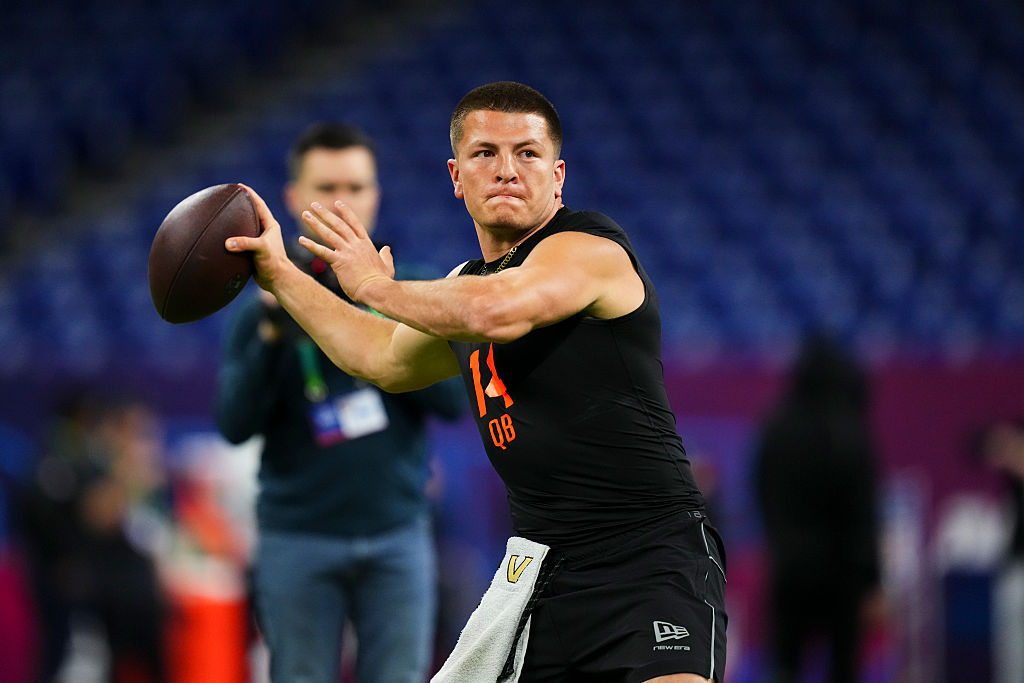
When the 2026 NFL Draft concluded without Diego Pavia hearing his name called, eyebrows were raised across the football world. A highly productive college quarterback with elite accolades, Pavia’s undrafted status reflects how the evaluation process often prioritizes measurables and perception over production. Yet, for the Baltimore Ravens, this scenario presents a unique opportunity to add a competitive and battle-tested player to their quarterback room without the pressure typically attached to draft capital.
Pavia’s résumé is difficult to ignore. At Vanderbilt, he led the program to a historic 10–3 season while accounting for 39 total touchdowns and averaging nearly 335 yards of offense per game. His recognition as a first-team All-American and SEC Offensive Player of the Year underscores the level of impact he had on the field. However, concerns surrounding his size, age, and decision-making off the field contributed to his fall out of the draft. Those concerns, while valid in evaluation circles, do not erase the reality that Pavia consistently performed at a high level against top competition.
A Natural Fit in Baltimore’s Offensive Identity
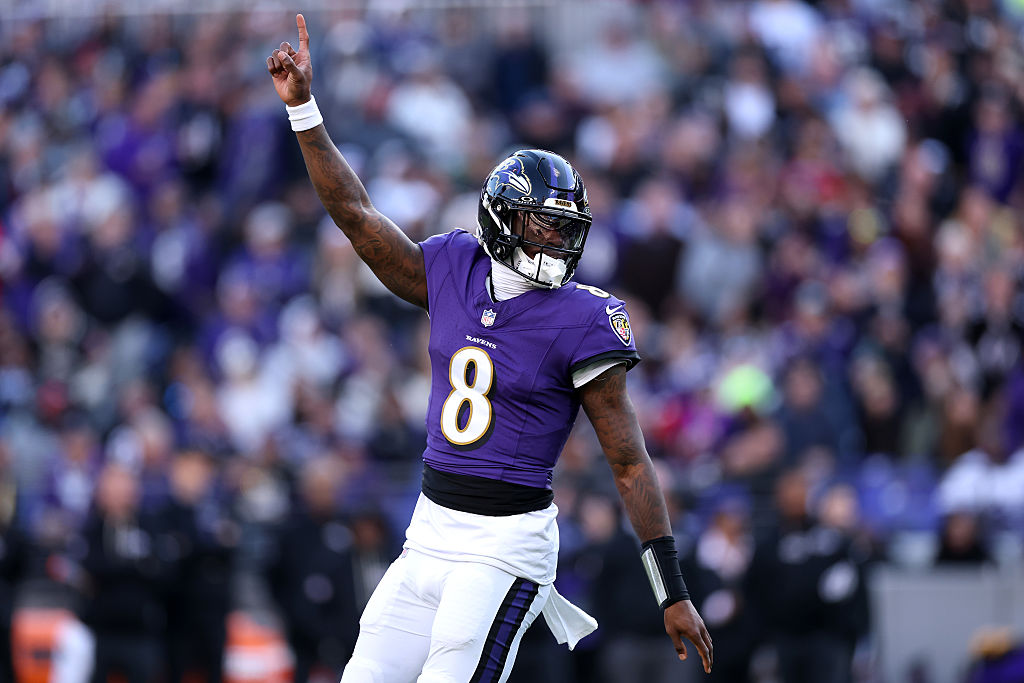
Baltimore’s offensive structure makes it one of the more logical landing spots for Pavia. Built around the dynamic skill set of Lamar Jackson, the Ravens’ system emphasizes mobility, improvisation, and playmaking outside of structure—traits that align closely with Pavia’s strengths. While Pavia does not possess Jackson’s elite athleticism, he operates with a similar competitive edge and ability to extend plays under pressure.
General manager Eric DeCosta highlighted the team’s approach to the quarterback room, stating, “I think the young man is a talented player. I’m excited to see what he brings this weekend, and there will be a competition.” That mindset creates an environment where Pavia is not expected to immediately carry the weight of expectations, but rather compete and develop within a system that suits his play style.
Additionally, with Tyler Huntley already established as a capable backup, Pavia has the opportunity to learn and adapt without being rushed. The presence of multiple quarterbacks competing for depth roles ensures that performance, not draft status, determines roster outcomes.
Turning Weaknesses Into Development Opportunities
While Pavia’s on-field production is impressive, his path forward will depend on addressing key areas of concern. His height and frame will always be part of the evaluation, particularly when it comes to operating within tight NFL passing windows. More importantly, consistency in decision-making—both on and off the field—will be critical to earning trust within the organization.
Some of Pavia’s pre-draft moments drew attention for the wrong reasons, but they are best viewed as maturity gaps rather than defining traits. In a structured NFL environment like Baltimore’s, where leadership and accountability are emphasized, those issues can be corrected. The Ravens have a track record of developing players within a strong culture, which could provide Pavia with the stability needed to refine his approach.
A Low-Risk, High-Upside Addition
For Baltimore, signing Pavia as an undrafted free agent represents minimal risk with intriguing upside. His competitive nature, production, and fit within the offensive system make him a player worth developing. More importantly, the situation allows him to grow without the pressure that often accompanies highly drafted quarterbacks.
If Pavia can translate his college success into consistent practice performance and demonstrate growth in key areas, he has a realistic path to securing a roster spot. In a league where quarterback depth is essential, the Ravens may have found value in a place few teams were willing to look.
Dujunnea Bland is a NFL and NHRA reporter for SportsJourney. Bland was a New Orleans Saints Reporter and Content Producer for About.com and a contributor at USA TODAY SMG's Redskins Wire. You can follow him on Twitter @NotBland21








Leave a Reply